Preserving Tradition, Inspiring Talent

About
Swati Sharma
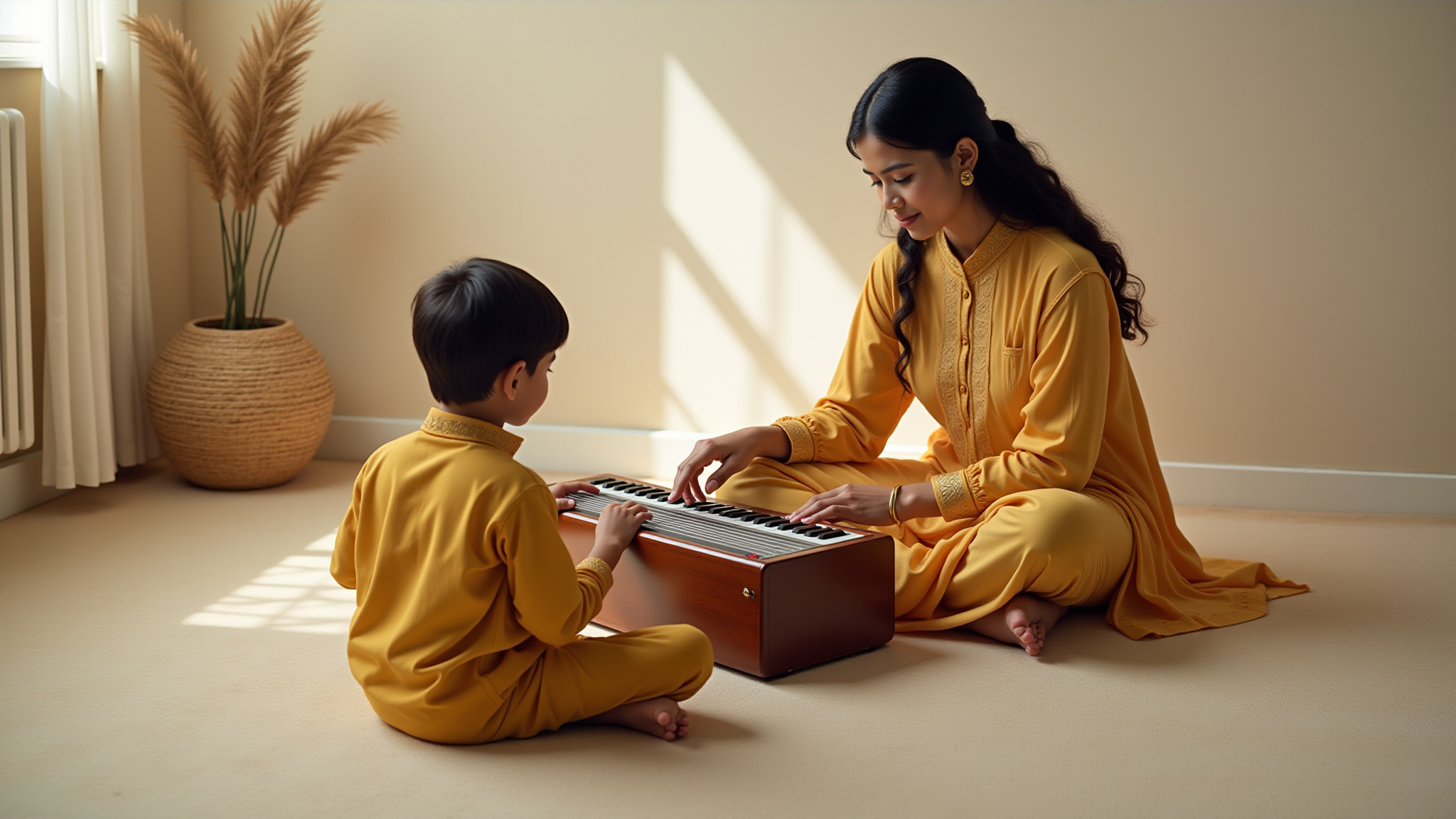
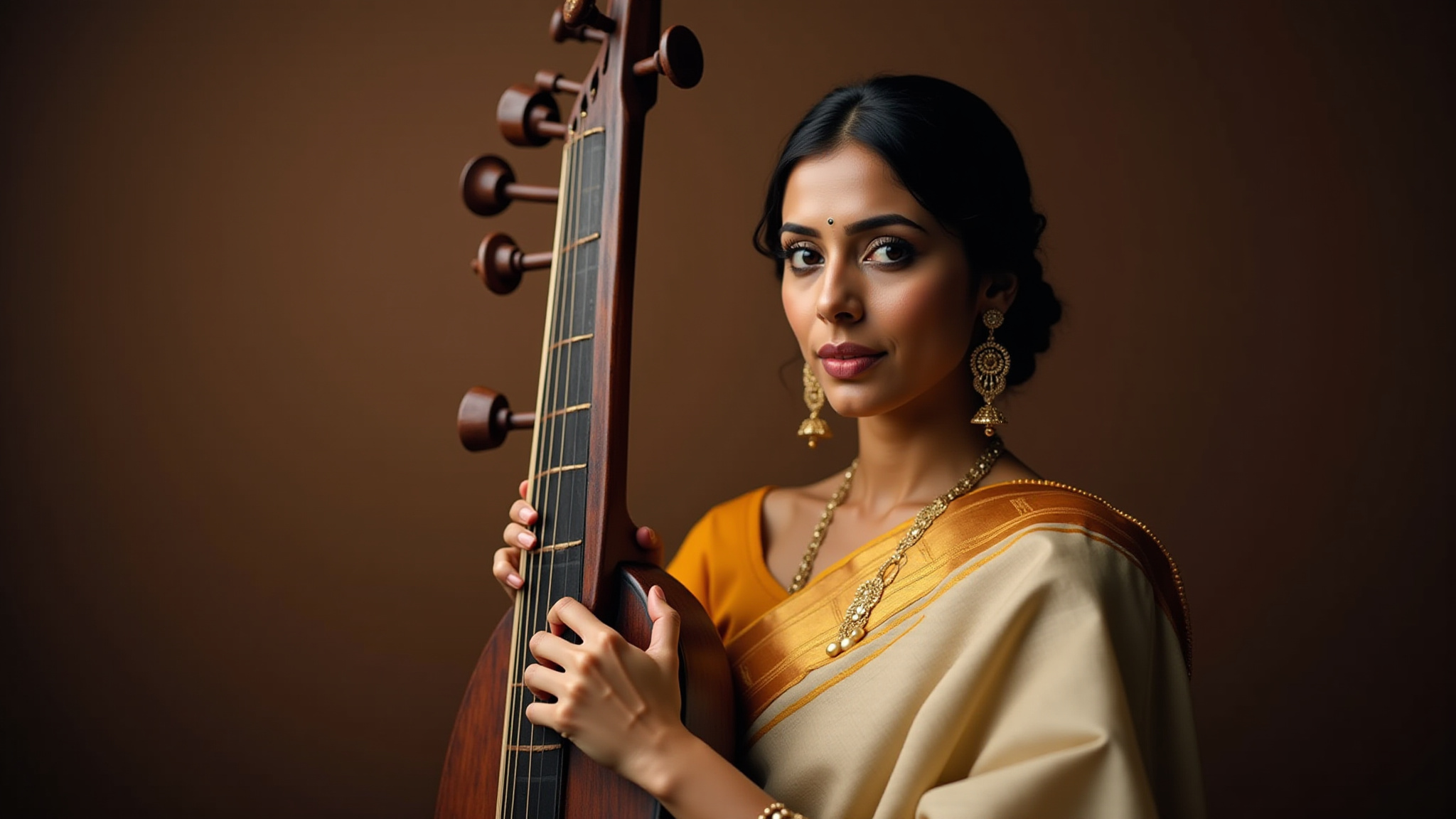
Swati, hailing from a traditional Hindu family, began her musical journey at the young age of five. She first trained in North Indian Classical music at Saraswati Vidya Mandir in under the late Shri Jagadish Sharma, later learning from esteemed Gurus India, including B.S. Bali, a disciple of Lt. Bheemsen Joshi, and Dr. Meeta Pandit, a sixth-generation representative of the Gwalior Gharana. She strongly believes in the Guru-Shishya parampara and has helped many students reach their potential. As an artist, Swati's has successfully hosted her own TV segment, "Swaranjali," on Global Television Network Fairfax, Virginia, and has received the GOPIO Award her contributions to Arts and Culture, along with recognition from the United States Congress for her efforts in promoting music within the community. Swati offers comprehensive lessons in all styles of North Indian classical vocal, including Raag, Bhajan, Ghazal, and semi-classical forms, specifically in the Gwalior Gharana style, to students of all ages. Her students have showcased their talents at various local temples in Northern Virginia and have participated in music competitions in the previous years.

Swaranjali Instructional Model
At Swaranjali School of Music, students embark on a musical journey like no other. From beginners to advanced musicians, our curriculum caters to all levels. Beginners learn the fundamentals of music theory and basic techniques. Intermediate students delve into more complex compositions and styles. Advanced musicians refine their skills, explore advanced music theory, and prepare for performances. Join us and explore the world of music with expert guidance and personalized attention.
Level 1:
Mandra Saptak (Lower Octave)
Description:
The Mandra Saptak focuses on the lower octave, introducing students to the foundational aspects of Hindustani Classical Vocals. This level is designed for beginners, including children and adults who are new to this musical genre.
What Students can expect to Learn:
-
Basic Vocal Techniques: Students will learn proper breathing techniques, voice modulation, and posture to enhance vocal delivery.
-
Introduction to Swaras: Understanding the basics of the seven notes (Sa, Re, Ga, Ma, Pa, Dha, Ni) and their importance in music.
-
Alankars: Introduction to simple alankars (ornamentation exercises) that help in mastering the pronunciation and execution of notes.
-
Basic Ragas: Familiarity with simple raagas in Mandra Saptak - such as Raag Yaman and Raag Bhimpalasi - focusing on their structure and emotion.
-
Rhythm Exercises (Taal): Introduction to basic talas (rhythmic cycles) like Teentaal and Dadra to develop a sense of timing and rhythm.
Level 2:
Madhya Saptak (Middle Octave)
Description:
In the Madhya Saptak, students advance to the middle octave, where they build upon their foundational skills. This level is ideal for students who have acquired the basics and are ready to explore more complex concepts.
What Students can expect to Learn:
-
Intermediate Vocal Techniques: Improvement of vocal strength, range, and versatility through more advanced exercises.
-
Advanced Alankars: Execution of complicated alankars incorporating intricate variations and embellishments.
-
Introduction to More Raagas: Students will delve into the emotional depth of raagas such as Raag Kafi, Raag Desh, learning their specific patterns and nuances.
-
Improvisation Techniques: Basic improvisational skills in vocal music, allowing students to explore creativity within raagas.
-
Theoretical Knowledge: Understanding the structures and theoretical underpinnings of Hindustani music, including the concept of shuddha (pure) and vikrit (altered) swaras.
Level 3:
Taar Saptak (Higher Octave)
Description:
The Taar saptak focuses on the higher octave, perfect for advanced students ready to refine their abilities and express their artistry. This level challenges students and encourages personal interpretation.
What Students can expect to Learn:
-
Advanced Vocal Techniques: Fine-tuning of vocal techniques, including advanced breath control and emotional expression in singing.
-
Complex Alankars and Bandishes: Mastery of complex alankars and learning various compositions (bandishes) in different raagas, expanding their repertoire.
-
Exploration of Raagas and Thumris: Students will study ragas such as Raag Bageshree and Raage Malhar, and also delve into light classical forms like Thumri, Bhajans, and Ghazals.
-
Performance Skills: Guidance on stage presence, performance preparation, and presentation techniques for showcasing their talent.
-
Personal Style Development: Encouragement to develop a unique vocal style through composition and improvisation fostering individual artistic expression.
Demo Playlist
Classes

1
30 Min Lesson
Ideal for littles who are just starting to learn music. Recommended for ages 4-6
2
60 Min Lesson
Ideal for all ages and skill level